News & Events
Beyond Exoneration: Why Justice Reform and Accountability Matter
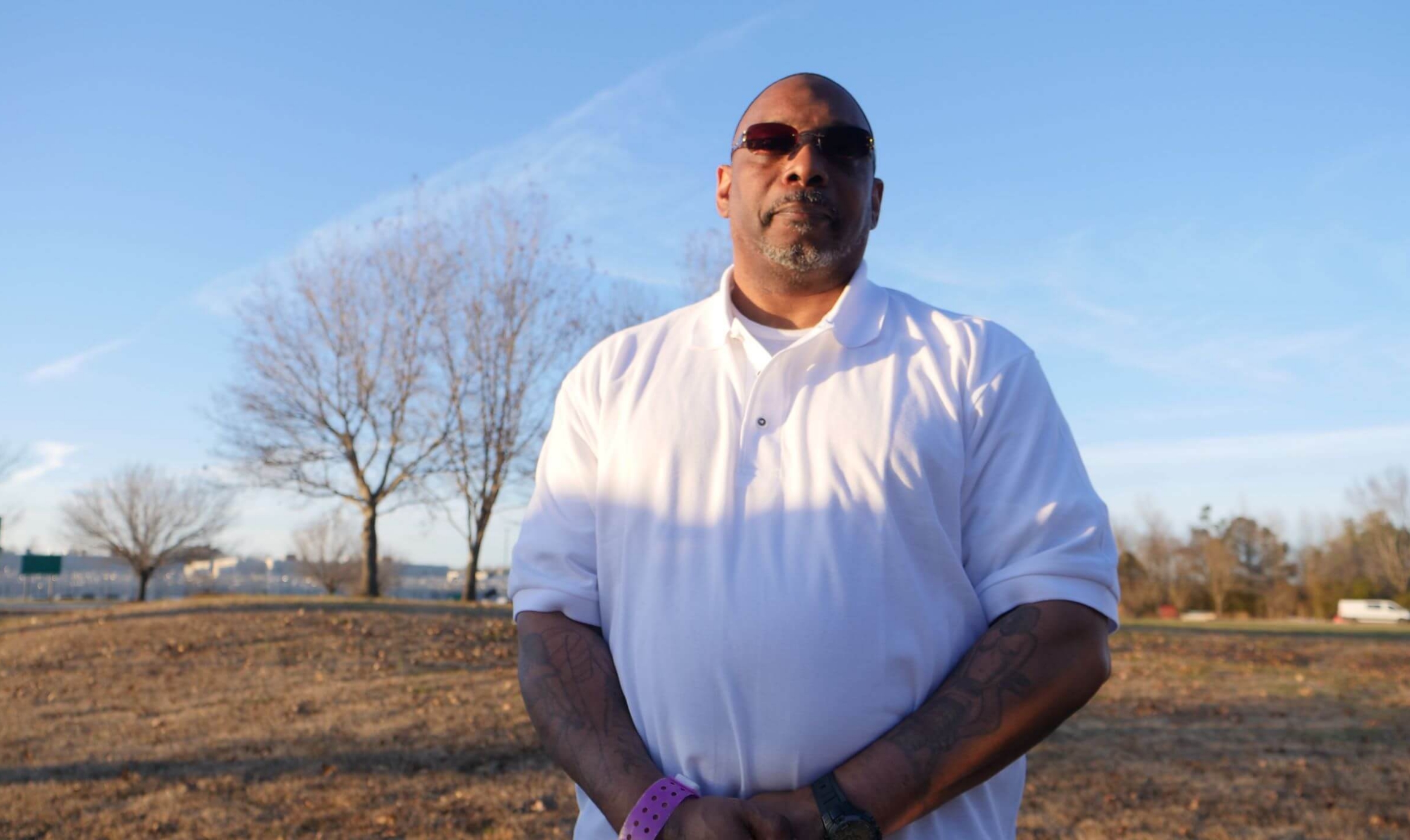
When an innocent person walks out of prison, it is a moment worth celebrating. For some, it marks the end of decades spent fighting for a freedom that should have never been taken away. For families, it means finally being reunited with someone they have spent years advocating for. And for organizations like Tennessee Innocence Project, it represents the result of countless hours of investigation, litigation, and determination.
But while exoneration is an incredible victory, it also raises an important question: How did an innocent person end up in prison in the first place?
Wrongful convictions do not happen in a vacuum. They are often the result of failures within the criminal justice system, including eyewitness misidentification, false confessions, withheld evidence, and inadequate legal representation. While every case is different, each wrongful conviction offers an opportunity to examine where the system failed and what can be done to prevent it from happening again.
Justice Doesn’t End with Exoneration
For individuals who have been wrongfully convicted, freedom is only the beginning of a new chapter.
Imagine spending 10, 20, or even 30 years behind bars for a crime you did not commit. During that time, families grow older, children grow up, loved ones pass away, and the world continues moving forward. No amount of compensation or public recognition can give those years back.
Even after being exonerated, many individuals face significant challenges as they rebuild their lives. Finding stable housing, securing employment, accessing healthcare, and adjusting to a world that has changed dramatically during their incarceration can be overwhelming.
In Tennessee, compensation for wrongful incarceration is not automatic. Even after proving their innocence and regaining their freedom, exonerees face additional legal and administrative hurdles when seeking compensation for the years they lost.
Of the ten individuals Tennessee Innocence Project has helped exonerate since its founding, not one has received compensation for their wrongful incarceration.
These individuals have already lost years, and sometimes decades, of their lives. While no amount of money can restore that time, compensation can provide critical support as they rebuild their lives. Freedom is an extraordinary victory, but it does not erase the consequences of a wrongful conviction.
Accountability Is About More Than Assigning Blame
When we talk about accountability in the criminal justice system, the conversation can quickly become focused on individual wrongdoing. While misconduct should never be overlooked, accountability must also include examining the policies, procedures, and institutional practices that allow wrongful convictions to occur.
For example, research has consistently identified eyewitness misidentification as a contributing factor in wrongful convictions. Implementing evidence-based identification procedures can help reduce the likelihood of an innocent person being mistakenly identified as a suspect.
Similarly, recording custodial interrogations, improving access to evidence, and strengthening procedures for disclosing potentially exculpatory information can help protect the integrity of criminal investigations and prosecutions.
These reforms are not about undermining law enforcement or the judicial system. They are about strengthening both.
A criminal justice system that values accountability should welcome opportunities to identify weaknesses and improve its practices. After all, the goal of the system should not simply be to secure convictions, but to pursue the truth.
Prevention Is Just as Important as Correction
At Tennessee Innocence Project, our work focuses on investigating and litigating claims of actual innocence. Each case represents a person whose life has been profoundly affected by a conviction that should never have occurred.
But for every wrongful conviction that is overturned, there are questions that deserve to be asked.
What could have prevented this conviction? Were warning signs overlooked? Could different policies or procedures have changed the outcome?
These questions matter because the consequences of a wrongful conviction extend far beyond the individual who is incarcerated. Families are separated, communities are affected, and the person responsible for the crime may remain unidentified and unaccountable.
Preventing wrongful convictions protects everyone.
Meaningful reform requires collaboration among attorneys, law enforcement, policymakers, advocates, and community members. It requires a willingness to examine uncomfortable truths and recognize that even well-intentioned systems can produce devastating outcomes.
Most importantly, it requires the understanding that acknowledging mistakes is not a sign of weakness. It is an essential part of building a system worthy of the public’s trust.
Building a More Just Future
October’s focus on justice reform and accountability reminds us that the work of correcting wrongful convictions cannot stop at the prison gates.
Every exoneration is a victory, but it is also a reminder of the work that remains.
At Tennessee Innocence Project, we believe that every innocent person deserves freedom. We also believe that a justice system committed to truth must be willing to learn from its failures.
By raising awareness, supporting meaningful reforms, and continuing to advocate for those who have been wrongfully convicted, we can work toward a future where fewer innocent people experience the devastating consequences of wrongful incarceration.
Because justice is not only about correcting the mistakes of the past. It is about preventing them in the future.
Links & Resources
We are fighting every day to correct these injustices
—but we can’t do it alone.