Active Cases
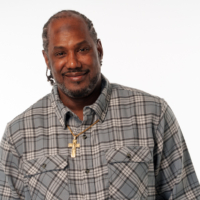
Greg Lance
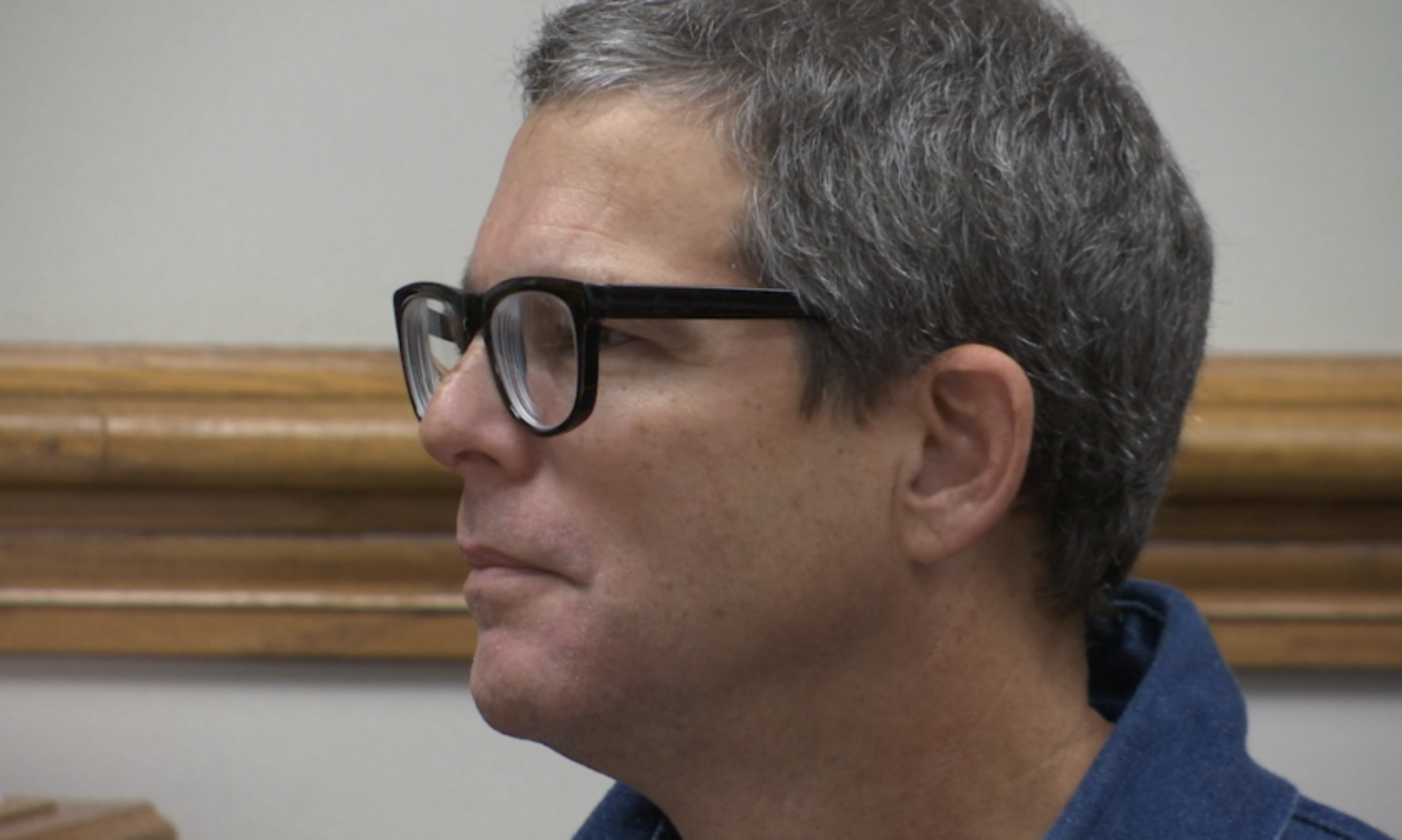
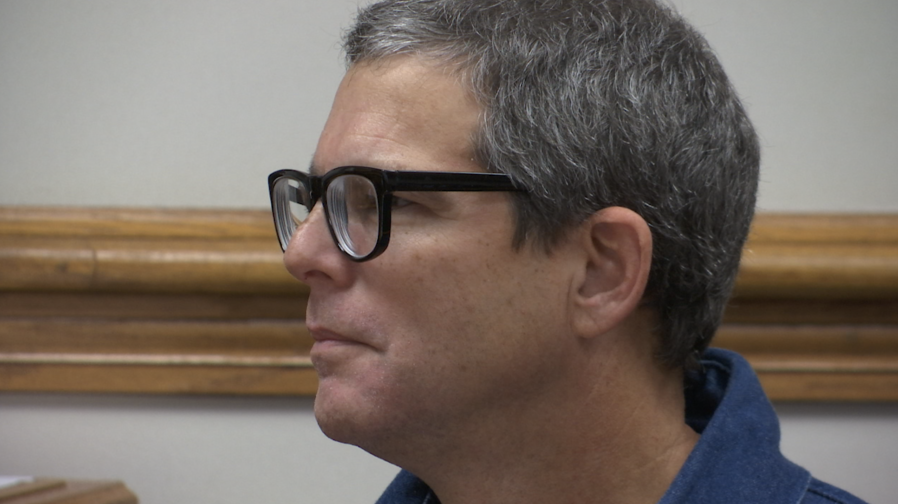
Greg Lance has been in prison since 1999, convicted of the double homicide of Victor and Alla Kolesnikow, a crime he did not commit.
Greg was 26 years old when he was arrested, a property manager in Cookeville, Tennessee who was in the process of purchasing a mobile home park from the Kolesnikows through owner financing. He has now spent more than two decades behind bars.
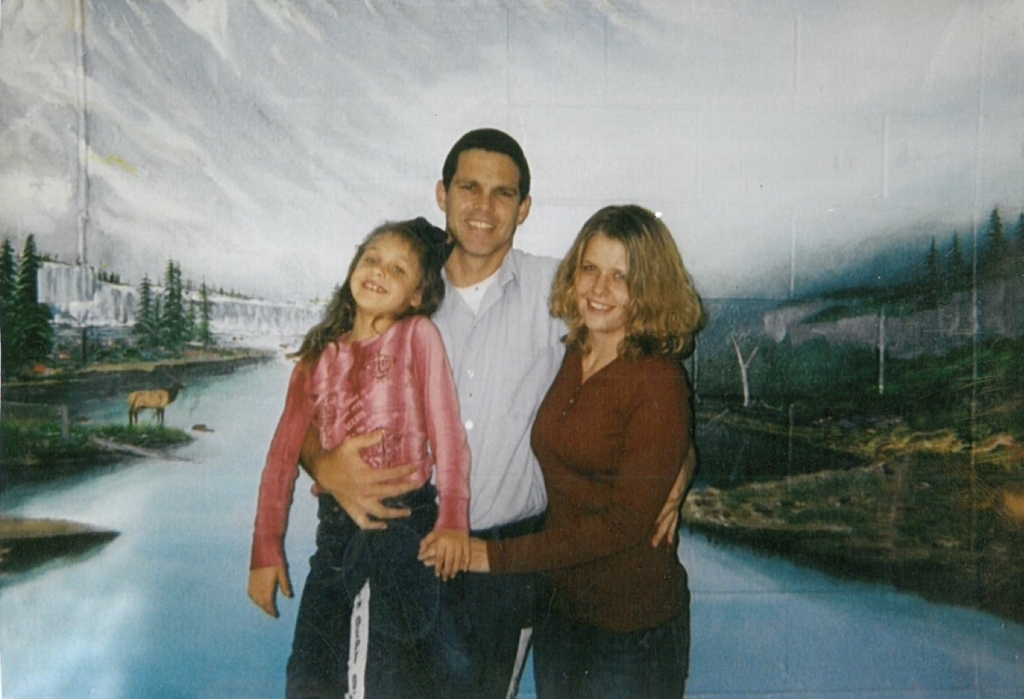
Through it all, his mother Joyce Argo has never stopped fighting. She has stood by him for 25 years, fielding tips, connecting witnesses, and keeping his case alive when no official was paying attention. Greg calls her his best advocate. That’s not a small thing to carry.
DNA on the murder weapon does not belong to Greg. The actual killer’s own family says he confessed. TIP and Bass, Berry & Sims are working to bring Greg home.
The case: what happened
In the early morning hours of August 5, 1998, Victor and Alla Kolesnikow were found dead in their home in Cookeville, Tennessee. They had been shot multiple times and the house set on fire. Their neighbors across the street, Sam and Peggy Horn, who were also purchasing property from the Kolesnikows, called 911 at 3:30 a.m. It was James Redmon, Peggy’s brother, who made the call.
Investigators found seven shell casings at the scene and, about six weeks later, a Tec-9mm pistol in a field roughly a mile away. Testing confirmed it was the murder weapon. The same day the gun was found, Sam Horn gave police a statement claiming the pistol belonged to a man named Claude Wright, and drew a picture of it that was a near-duplicate of the weapon investigators had just recovered. Wright was one of the last people to see Victor Kolesnikow alive. He was never treated as a suspect.
Instead, police turned their attention to Greg Lance. Their theory: Greg had a motive because the Kolesnikows were foreclosing on the mobile home park he was purchasing from them. The problem with that theory was that the Horn family and the Redmon brothers were also behind on payments for their own properties, and it was Victor who had just sworn out a warrant against David Redmon the day before the murders. None of that led investigators to look elsewhere.
Greg was arrested in April 1999, nearly a year after the crime. He went to trial in October 2000. The prosecution’s case rested almost entirely on the testimony of people who knew him, friends and coworkers who told the jury that Greg had talked about hiring a hitman and making threats against the Kolesnikows. There was no physical evidence connecting him to the scene, no weapon, no forensics. Just the words of witnesses whose accounts would later fall apart in ways the jury never got to hear.
Greg was convicted of two counts of first-degree murder and sentenced to two concurrent life sentences.
Greg Lance has spent over two decades in prison while the evidence continues to point somewhere else entirely.
Jason Gichner Legal Director & Co-Founder
Problems with the conviction
The most damaging witness at trial was Mike Snow, who had recently started working for Greg and was sitting in jail on a domestic violence charge when he told police that Greg had asked him to find a hitman. Snow took the stand and told the same story at trial. What the jury didn’t know was that Snow was released from jail the same day he signed that statement. When later asked why he had said it, Snow was direct: “The day I signed that statement against Greg, they let me out of jail. What will Lance’s parents do for me if I change my statement?”
A second witness, Keith Herbstreith, testified that Greg had asked him whether he knew anyone who would kill for hire, and that Greg later said he was “going to have to kill them.” Herbstreith failed his polygraph examination and later recanted his statement to Greg’s mother. A third witness, Eric Tanner, testified that Greg had asked him to find a “hot” gun before the murders. A claim he had specifically denied when investigators first asked him during the original investigation.
In a motion for a new trial, Greg’s attorney called Sam Horn’s acquaintance Chris Henry to the stand. Henry testified that Horn had told him the way to handle snitches was to knock on their front door, shoot them, burn the house down, and leave. Henry also testified that he had not only seen a Tec-9 at Sam Horn’s house, he had fired it.
The prosecution’s own attorney, Bill Gibson, acknowledged in open court that he knew Sam Horn was manufacturing and selling crystal meth, and said he would rather have prosecuted Horn for the murders.
In 2012, a juror came forward to say that the jury as a whole had not believed Greg actually committed the crimes, but had convicted him anyway because they thought he knew who did. The jury had been deadlocked for hours, and to break the stalemate, they agreed to be bound by a majority vote. That juror, along with two others, expressed the belief that Greg should have received a new trial.
After the Undisclosed podcast and television coverage brought new witnesses forward, two people who had been in Sam Horn’s circle came forward independently with the same account: Sam Horn had confessed to killing the Kolesnikows. One of those witnesses was Horn’s own son.
Fingerprint testing by the Tennessee Bureau of Investigation determined the prints on the evidence were not Greg’s. DNA testing of the murder weapon by two independent labs confirmed that the DNA present was from a male contributor, and that Greg Lance was not that contributor.
Sam Horn died on December 26, 2002. He never faced charges.
TIP’s involvement
Tennessee Innocence Project, alongside attorneys from Bass, Berry & Sims, specifically, Margaret Dodson and Peter Rathmell, have been working to clear Greg’s name for years. In November 2022, the court granted motions for both DNA and fingerprint testing, which were completed in late 2022 and into 2023. Following the return of those results, and the filing of affidavits from the new witnesses, including Sam Horn’s son and family friend Derrick Helms, Greg’s legal team filed an Amended Petition for Writ of Error Coram Nobis.
A hearing on that petition was held on July 2, 2024, before Judge Don Ash in Putnam County. New witnesses testified about Horn’s confessions, and two DNA experts presented their findings excluding Greg as a contributor to DNA on the murder weapon. In late October 2024, Judge Ash denied the petition. That ruling is currently under appeal.
Greg’s case has also attracted significant outside attention. Lawyer and podcast creator Rabia Chaudry, alongside attorneys Colin Miller and Susan Simpson, investigated the case for the Undisclosed Podcast, and it was that coverage that brought the Horn family forward. SundanceTV explored the case in an episode of True Crime Story: It Couldn’t Happen Here, hosted by actress Hilarie Burton Morgan.
For the full account of the investigation, trial, and post-conviction testimony, visit the Justice for Greg website.
See more active cases
Links & Resources
We are fighting every day to correct these injustices
—but we can’t do it alone.